
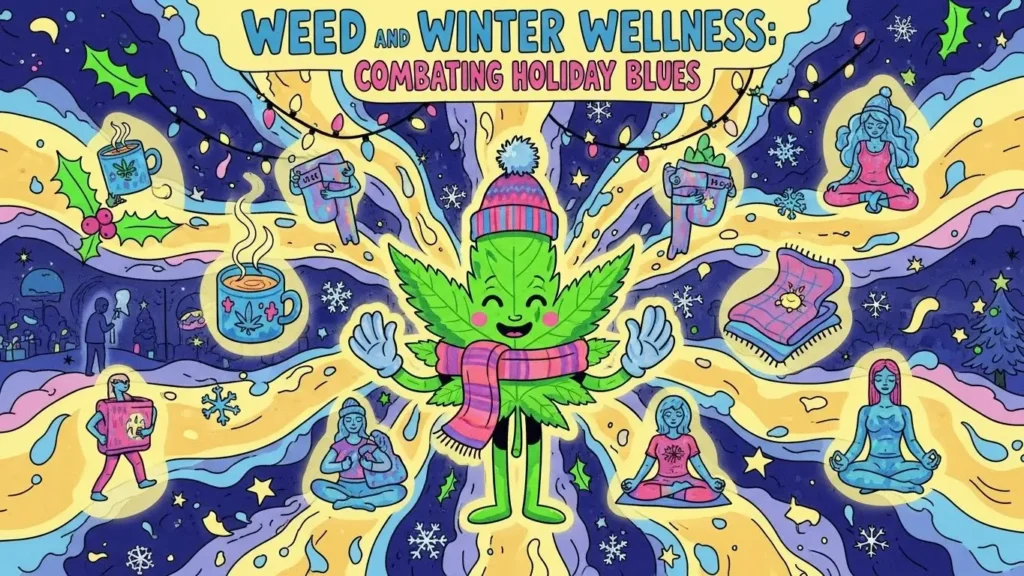
The holiday season arrives with a flurry of expectations: images of perfect family gatherings, non-stop festive cheer, and boundless joy. But what happens when your reality doesn’t match this glittering ideal? If you find yourself feeling more overwhelmed than overjoyed, you’re far from alone. The phenomenon commonly called the holiday blues affects countless individuals, transforming what’s “supposed” to be the most wonderful time of the year into a period of stress, sadness, or loneliness.
The holiday blues meaning goes deeper than just a bad day. It’s a term describing temporary feelings of anxiety, depression, sadness, and loneliness that can surface during the holiday season. These feelings are a real and valid response to a complex mix of pressures. For some, it’s the financial strain of gift-giving and hosting. For others, it’s the aching sense of loneliness or the grief of missing a loved one. The shorter, colder days themselves play a biological role, reducing sunlight exposure and disrupting the body’s production of mood-regulating chemicals like serotonin.
As one mental health CEO notes, pressures from loss, family conflict, and a packed social calendar “can bring added stress and prevent individuals from enjoying the holidays”. The key is to recognize these feelings not as a personal failure, but as a common human experience. Acknowledging this is the first, most powerful step toward managing your mental health and the holiday blues.
So, let’s be honest: how are you really feeling as the days grow shorter? Have you noticed a shift in your mood or energy?
Spotting the Signs: More Than Just “Feeling Down”
Recognizing the holiday blues symptoms is crucial because it allows you to address them early, before they deepen. These signs can be emotional, physical, and behavioral. It’s important to listen to what your mind and body are telling you.
Common symptoms include persistent sadness, a sense of fatigue or low energy that doesn’t go away with rest, and feelings of tension or frustration. You might feel disconnected, experiencing loneliness even in a crowd, or a profound sense of isolation. For many, the holidays bring a sharp awareness of loss or dissatisfaction, leading to feelings of hopelessness or being overwhelmed by stress.
Psychologists also identify more specific signs of depression during this time, such as:
- Losing interest or pleasure in activities you usually enjoy
- Trouble sleeping, concentrating, or feeling motivated
- Feelings of being “on edge,” anxious, or nervous
These symptoms exist on a spectrum. For some, they are a temporary, manageable reaction to seasonal stress. For others, they can indicate a more serious condition like Seasonal Affective Disorder (SAD) or a major depressive episode. A helpful rule of thumb from experts is that if symptoms like changes in sleep, appetite, or interest in socializing last for two weeks or longer, it’s a strong signal to seek professional support.
What does your body say? Are you sleeping more but feeling less rested? Have your eating habits changed? These physical cues are often the first whispers of the holiday blues.
Key Insights at a Glance: Winter Wellness Strategies
To help you quickly navigate the landscape of winter well-being, here is a summary of the core approaches we will explore in detail:
Understanding What You’re Feeling: Holiday Blues vs. SAD
First, it’s crucial to distinguish between temporary holiday stress and a more significant mood disorder. The holiday blues are typically short-term feelings of sadness, fatigue, or anxiety triggered by seasonal pressures like financial strain, family dynamics, loneliness, or the disruption of routine. As one health expert notes, the holidays can activate “all the emotional patterns” from our past, creating an emotionally charged atmosphere.
Seasonal Affective Disorder (SAD), however, is a type of depression with a recurrent seasonal pattern. Its symptoms are more severe, last longer (typically 4-5 months), and are closely tied to changes in daylight, not just the calendar. Key symptoms of winter-pattern SAD include:
- Persistent low mood, loss of interest, and feelings of hopelessness.
- Hypersomnia (oversleeping) and low energy.
- Overeating, particularly with cravings for carbohydrates, leading to weight gain.
- Social withdrawal (a “hibernation” feeling).
If your symptoms significantly impair your daily life and recur seasonally for at least two years, it’s important to speak with a healthcare professional for an accurate SAD diagnosis.
The Science of Light: Your First Line of Defense Against SAD
Since reduced sunlight is a core biological trigger for winter mood disorders, light therapy (phototherapy) is a foundational, clinically recognized treatment. It involves sitting in front of a special 10,000 lux light box for about 30-45 minutes each morning. This bright light mimics natural outdoor light and is believed to cause a change in brain chemicals linked to mood, helping to regulate your circadian rhythm.
Research shows light therapy can be effective for many people, often working within a few days to a few weeks. For a comprehensive understanding of clinical treatment paths, you can explore our detailed guide on SAD diagnosis and professional treatment options. It’s essential to talk to a doctor before starting, especially if you have eye conditions or bipolar disorder, as light therapy can sometimes trigger a manic episode.
Beyond a light box, simple acts can help: opening blinds, trimming tree branches that block sunlight, and making a point to get outside within two hours of waking up, even on cloudy days.
Your Winter Wellness Toolkit: Practical Strategies for Relief
Managing the holiday blues isn’t about faking cheer; it’s about building a toolkit of practical, compassionate strategies to support your well-being. Think of it as creating your own personal holiday blues song—a playlist of actions that bring you back to balance.
1. Reframe Expectations and Set Boundaries
The pressure for a “perfect” holiday is a major source of stress. Psychologist Dawn Potter, PsyD, emphasizes that it’s okay to decline invitations or leave events early. Set realistic expectations for your time, budget, and energy. You don’t have to attend every party, bake all the cookies, or max out your credit card. Saying “no” is not selfish; it’s an essential act of self-care.
2. Prioritize Connection (On Your Terms)
While isolation worsens blues, forced socialization can be draining. Focus on meaningful connection. This might mean a few quality video calls with distant friends instead of exhausting rounds of large parties. If family dynamics are stressful, seek out your “chosen family”—friends who feel like home. Even small connections, like volunteering, can combat loneliness by providing a sense of community and purpose.
3. Move Your Body and Seek Light
Physical activity is a proven mood booster. You don’t need a grueling gym session. A daily 15-minute walk, especially in daylight, can significantly improve energy and sleep. If weather is harsh, try online yoga or a dance video at home. The goal is movement, not punishment. Furthermore, since reduced sunlight is a key trigger, maximize light exposure. Use a light therapy lamp for 30 minutes in the morning to mimic sunlight and help regulate your circadian rhythm.
4. Nourish Yourself Mindfully
What we eat directly affects how we feel. Diets high in processed foods and sugar are linked to worsened mood. This doesn’t mean denying yourself holiday treats. Instead, focus on balance: ensure you’re also eating plenty of fruits, vegetables, and healthy proteins. Similarly, be mindful of alcohol, a known depressant, and prioritize staying hydrated.
5. Create a Personal “Playlist” for Resilience
Inspired by those who create a literal Holiday Blues song playlist for comfort, build your own metaphorical playlist of soothing activities. This could include:
- Mindfulness Practices: Ten minutes of meditation or deep breathing can reduce anxiety.
- Digital Sunset: Limit social media use. Comparing your reality to others’ highlight reels only fuels dissatisfaction.
- Scheduled Joy: Actively plan pleasant activities, like reading a book, taking a bath, or watching a favorite movie. When we’re down, fun is often the first thing we drop, but it’s vital for recovery.
Which of these strategies feels most accessible to you right now? Could you commit to trying one new tool this week?
Building Your Personal Winter Resilience Plan
A proactive plan can make all the difference. Let’s translate these strategies into a simple, actionable framework. Consider the following table, which adapts holistic wellbeing models to address winter-specific challenges:
| Wellbeing Dimension | Winter Challenge | Proactive Strategy | Your Personal Action Item |
|---|---|---|---|
| Taha Tinana / Physical | Less sunlight, lower energy, comfort eating. | Maximize light, gentle movement, nourishing foods. | “I will take a 10-minute walk at lunch and use my light lamp with morning coffee.” |
| Taha Hinengaro / Mental | Negative thought spirals, pressure to be happy. | Practice cognitive reframing, set boundaries, digital detox. | “I will write down one negative thought and reframe it positively each day.” |
| Taha Whānau / Social | Loneliness or stressful gatherings. | Schedule quality connections, not just quantity. | “I will schedule one video call with a supportive friend this weekend.” |
| Taha Wairua / Spiritual | Lack of meaning or feeling drained. | Practice gratitude, give back, engage in reflection. | “I will write down 3 things I’m grateful for before bed each night.” |
Adopting a mindset shift can also be powerful. In Northern Norway, where winter days are extremely short, people view winter as a challenge to master rather than a threat to endure, building personal resilience. Similarly, in te ao Māori (the Māori world), winter is seen as a time for rest, reflection, and nourishment—a season of stillness. What if you allowed yourself to slow down and be gentle, viewing this period as necessary hibernation rather than a deficit?
When Self-Care Isn’t Enough: Seeking Professional Support
There is absolutely no shame in needing extra help. If your symptoms are severe—including intrusive thoughts, feelings of hopelessness, or thoughts of self-harm—seek immediate help. You can contact the 988 Suicide & Crisis Lifeline (in the US) at any time.
Consider professional support if:
- Your low mood persists most of the day, nearly every day.
- You’ve lost interest in almost all activities for two weeks or more.
- Symptoms are significantly impacting your work, relationships, or daily life.
Therapies like Cognitive Behavioral Therapy (CBT) are particularly effective. CBT helps you identify and restructure the negative thought patterns that fuel depression. A professional can provide these tools in a structured, supportive environment. Remember, reaching out is a sign of strength and the most important step in caring for your mental health and the holiday blues.
A Deep Dive into Natural Antidepressants and Lifestyle Medicine
Building a resilient foundation is critical. So-called natural antidepressants encompass foods, supplements, and activities that support brain health and mood regulation.
- Movement is Medicine: Regular exercise is one of the most powerful tools. It helps relieve stress and anxiety, boosts endorphins, and improves self-esteem. Don’t overcomplicate it—a daily walk can be transformative.
- Nutrition for Your Neurons: What you eat directly affects how you feel. Diets rich in omega-3 fatty acids (found in fish, flaxseed, walnuts) and following patterns like the Mediterranean diet are linked to better mood. Minimizing processed foods and sugar is equally important.
- Key Supplements: Research supports several supplements, though you should always consult a doctor first.
- Vitamin D: Often called the “sunshine vitamin,” deficiency is common in winter and may exacerbate SAD. Supplementation can help, but dosage should be guided by a professional.
- Saffron Extract: Emerging studies suggest saffron may improve symptoms of depression.
- SAM-e & Omega-3s: These have evidence for mood support but can interact with medications.
- Master Your Sleep & Stress: Prioritizing sleep hygiene and stress management techniques like meditation, yoga, or the 3-3-3 rule for anxiety (name 3 things you see, hear/feel, and move 3 body parts) are invaluable.
Cannabis and Winter Wellness: Examining the Evidence
The use of cannabis for seasonal depression and winter stress is a topic of significant personal anecdote and growing, though cautious, scientific inquiry. It’s vital to separate hope from hype.
What the Research Suggests:
Currently, no clinical studies directly examine cannabis as a treatment for SAD. Research on cannabis and general mood disorders presents a mixed picture:
- Some studies indicate that cannabis may help with anxiety or sleep in the short term.
- However, broader reviews warn that regular or heavy cannabis use, particularly high-THC products, is linked to increased symptoms of depression and anxiety over time. A meta-analysis confirmed that daily users are more likely to develop depression.
How Cannabis Might Offer Support:
If used with extreme caution, some find it helps manage specific symptoms of the winter blues:
- Sleep Disruption: Certain strains may calm an overactive mind, promoting relaxation and deeper rest.
- Stress and Anxiety: Low doses may take the edge off holiday-induced anxiety and overstimulation.
- Mind-Body Connection: It may help ease the physical tension and restlessness from being cooped up indoors.
A Smart, Safe Approach to Cannabis for Winter Moods
If you are considering this path in states where it is legal, a responsible framework is non-negotiable.
- START LOW, GO SLOW: Begin with a low-dose THC product (under 2.5mg) or a CBD-dominant option. CBD is non-intoxicating and carries fewer risks for anxiety.
- TIMING IS EVERYTHING: Use later in the day if sleep is the goal. Never use before driving or important tasks.
- TRACK & REFLECT: Keep a simple journal. Does it help you unwind, or does it increase fog, anxiety, or lethargy? Be brutally honest with yourself.
- IT’S AN ADD-ON, NOT A FOUNDATION: Weed should never replace proven treatments like light therapy, psychotherapy, exercise, or prescribed medication. It is, at best, a potential supplementary tool.
- CONSULT A PROFESSIONAL: This is critical. Talk to a doctor familiar with cannabis, especially if you take other medications like antidepressants, due to potential interactions.
For more information on plant-based wellness, explore our article on the science of adaptogens and stress relief.
Building Your Holistic Winter Wellness Toolkit
True resilience comes from a layered approach. Here are actionable strategies to implement:
- Reframe Your Mindset: Practice positive reappraisal. If you overindulge at a holiday meal, instead of guilt, acknowledge the joy of sharing it with loved ones. Gratitude journaling is a proven mood booster.
- Set Boundaries and Be Realistic: It’s okay to say “no.” Set a holiday budget, manage social commitments, and release the pressure for a “perfect” season.
- Foster Connection: Combat isolation by reaching out. Schedule a call, meet a friend, or even consider volunteering. Social support is a powerful buffer.
- Create New Rituals: If old traditions are painful, build new ones. A winter nature walk, a crafting afternoon, or a themed movie night can create fresh, positive associations.
Conclusion: Embracing the Season with Clarity and Compassion
Combating holiday blues and navigating winter wellness is a multifaceted journey. There is no single magic bullet, but a compassionate combination of proven science and mindful self-care. While curiosity about cannabis for winter stress is understandable, the evidence strongly advises viewing it with caution, not as a cure, and always under the umbrella of a broader, healthier lifestyle.
This winter, empower yourself with knowledge. Prioritize light, movement, nourishment, and connection. Listen to your body and mind, and don’t hesitate to seek professional help if the weight feels too heavy. You have the tools to move beyond just coping, and to find moments of genuine warmth and well-being in the heart of the season.
What’s your go-to strategy for boosting your mood on a dark winter day? Have you found a non-traditional approach that works for you? Share your experiences in the comments below—your story might inspire someone else on their wellness journey.
Frequently Asked Questions (FAQs)
Q1: Can cannabis actually treat or cure Seasonal Affective Disorder (SAD)?
A: No. There is no medical evidence that cannabis cures or treats SAD. Some people report it helps manage specific symptoms like anxiety or insomnia in the short term, but it should never replace first-line treatments such as light therapy, psychotherapy, or medication prescribed by a doctor.
Q2: What’s the difference between CBD and THC for managing winter stress?
A: CBD (cannabidiol) is non-intoxicating and is generally associated with calming, anti-anxiety effects without the “high.” It tends to carry fewer risks and is often a better starting point for mood support. THC (tetrahydrocannabinol) is psychoactive and may promote relaxation or sleep in very low doses, but in higher doses, it can actually increase anxiety, paranoia, or worsen low mood.
Q3: I want to try cannabis carefully this winter. What’s the safest way to start?
A: The consensus from experts is clear: start with a low-dose, CBD-dominant product. Use it intentionally at a safe time (not before work or driving). Most importantly, keep a journal to track how it affects your sleep, mood, and motivation the next day. If you notice increased fogginess or lower mood, it may not be the right tool for you.
Q4: Are there any natural supplements that are proven to help with SAD?
A: Yes, but with consultation. Vitamin D supplementation is commonly recommended due to reduced sun exposure in winter. Other supplements like omega-3 fatty acids and saffron extract have shown promise in studies for general mood support. Crucially, you must talk to your healthcare provider before starting any supplement, as they can interact with medications and aren’t monitored by the FDA like drugs are.
Q5: When should I seek professional help for the winter blues?
A: Seek help if your feelings of sadness, anxiety, or hopelessness are persistent (lasting most of the day, nearly every day for two weeks or more), interfere with your work, relationships, or daily life, or if you have thoughts of harming yourself. A primary care doctor or mental health professional can provide a proper diagnosis—whether it’s the holiday blues, SAD, or another form of depression—and guide you toward effective treatment. Remember, asking for help is a sign of strength, not weakness.