
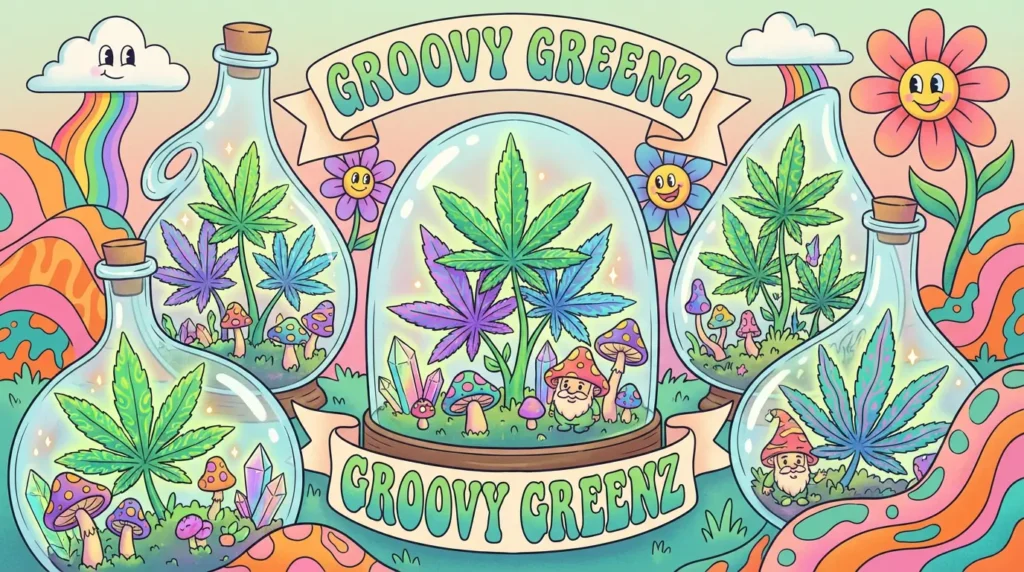
Let’s face it: the days of hiding a messy grow tent in a dank basement are fading faster than a cheap high. As legalization expands across states like Washington and proposed legislation in Florida makes headlines, the conversation is shifting from if you can grow to how you grow . You’ve spent time perfecting your environment, dialing in your feeding schedules, and boosting engagement with your garden. But what’s the conversion rate on aesthetics? Is your grow room really somewhere you want to spend your downtime?
This is where the game changes. We are entering the era of ornamental cannabis cultivation—a strategy that optimizes for visual appeal and space efficiency without sacrificing the quality of the final product. Whether you’re navigating a small apartment footprint or simply craving a more mindful connection with the plant, this guide will show you how to create a cannabis terrarium or a stunning bonsai cannabis specimen. By the end, you’ll have the actionable steps to turn your grow into a centerpiece, not an eyesore.
The Shift Toward Ornamental Horticulture
For years, the funnel was simple: veg, flower, harvest, repeat. The only metric that mattered was grams per watt. But as we mature as an industry and a community, the “Experience” factor is taking center stage. In a digital landscape dominated by visual discovery—think Instagram and Pinterest—growers are realizing that the journey is just as important as the destination.
Decorative cannabis growing isn’t just a hobby; it’s a response to a common pain point: How do I enjoy the cultivation process without it taking over my living space or creating an eyesore?
According to cultivation experts, the art of bonsai cannabis—a fusion of ancient Japanese technique and modern botany—offers a “calming, rewarding hobby that connects growers with nature and patience” . It turns a utilitarian grow into a therapeutic practice. Have you ever found yourself just staring at your plants, losing track of time? That’s the engagement we’re optimizing for here—call it the Lifetime Value of your peace of mind. By training a plant to remain compact, you gain control over the shape and visual story of your garden .
What is a Cannabis Terrarium? (And Why You Need One)
Direct Answer: A cannabis terrarium is a sealed or semi-sealed transparent enclosure that houses a live cannabis plant in a controlled microclimate. It functions both as a humidity dome and a display case, allowing for ornamental cannabis cultivation with minimal footprint.
Think of it as creating a living snow globe, but instead of water and plastic flakes, you have a resinous, thriving specimen. For the urban grower, this is the ultimate quick win. It solves the number one friction point: space.
Benefits of a Cannabis Terrarium
- Humidity Control: Cannabis in vegetative growth thrives in higher humidity. A terrarium naturally traps moisture, reducing the need for constant misting or noisy humidifiers.
- Pest Barrier: Keeping your plant under glass is a natural defense against fungus gnats and curious pets.
- Discretion: While the aroma of a flowering plant is potent, a terrarium contains the visual and (to a lesser extent) olfactory footprint, blending seamlessly with other tropical houseplants.
- Visual Storytelling: You can curate the soil surface with moss, stones, or driftwood, creating an ecosystem that is as beautiful as it is functional.
Mastering Bonsai Cannabis: Living Art Through Training
If a terrarium is the display case, bonsai cannabis is the crown jewel inside. This is where you apply the principles of decorative cannabis growing with surgical precision. The goal is to manipulate the plant’s vascular system to create a thick, gnarled stem (the “trunk”) and a balanced canopy—all while keeping the plant under 12 inches tall.
The Core Techniques for Ornamental Cannabis Cultivation
To get that ancient, weathered look in a matter of months, you need to employ the right training techniques. This isn’t just topping; it’s a strategic reshaping of growth patterns.
1. Low-Stress Training (LST) and Wiring
Just like traditional bonsai artists use copper wire, you can use soft garden ties or bonsai wire to bend branches horizontally. This exposes lower nodes to light, breaking apical dominance. The result? A bushier, wider plant that looks like a miniature tree rather than a single stalk. Pro Tip: Be vigilant. Cannabis grows fast. Check your wire weekly to ensure it isn’t cutting into the expanding stem.
2. Root Pruning
This is the secret weapon of ornamental cannabis cultivation. Every few months, you remove the plant from its pot and trim back the outer edges of the root ball. This keeps the plant small without it becoming root-bound and stressed. It forces the plant to grow fine feeder roots, which are more efficient at nutrient uptake. Think of it as optimizing your root zone bandwidth.
3. Defoliation and Canopy Management
You are the art director. Remove large fan leaves that block light from reaching the inner structure of the plant. This isn’t just for looks; it increases airflow in the dense canopy of a cannabis terrarium, preventing mold and mildew.
Analogy: Growing regular cannabis is like managing a wild meadow. Growing bonsai cannabis is like pruning a topiary garden—every snip defines the final shape.
How to Build a Decorative Cannabis Terrarium (Step-by-Step)
Ready to start? Here is your actionable checklist for setting up a thriving cannabis terrarium. This is the blueprint to follow for maximum visual impact and plant health.
Materials Needed:
- A clear glass vessel (a large apothecary jar, a Wardian case, or even a modified fish tank).
- A drainage layer (lava rock or clay pebbles).
- Activated charcoal (to filter odors and prevent bacterial growth).
- Living organic soil (water-only living soil works best to avoid salt buildup).
- A photoperiod cannabis clone or seedling (Autoflowers are less ideal for long-term ornamental displays).
The Build Process (Pyramid Method):
| Layer Order | Material | Function (The “Why”) |
|---|---|---|
| 1. Drainage | 1-2 inches of Lava Rock | Prevents root rot by keeping the soil from sitting in water. Essential for closed systems. |
| 2. Filtration | 1/2 inch Activated Carbon | Neutralizes anaerobic bacteria and keeps the terrarium smelling like fresh earth, not a swamp. |
| 3. Substrate | 3-4 inches Organic Soil | Provides slow-release nutrition. Avoid synthetic nutrients; they accumulate in the enclosed environment. |
| 4. Hardscape | Stones / Wood | Provides anchor points for wiring and adds visual depth. |
| 5. Plant | Rooted Cutting | Carefully plant and water in lightly. |
Lighting the Terrarium
Since the plant is on display, you want clean, white light. A small, dimmable LED spotlight (20-40W) positioned 12-18 inches above the glass is perfect. This provides the intensity needed for photosynthesis without cooking the plant inside the glass.
Have you considered how much easier this is to manage than a 4×4 tent? The maintenance window drops from hours a week to just minutes.
Strain Selection: The Genetic Funnel for Aesthetics
Not all strains are created equal when it comes to ornamental cannabis cultivation. You wouldn’t put a Sativa that stretches 300% in flower inside a cannabis terrarium. You need genetics that align with the objective: compact structure and unique coloration.
Top Strain Characteristics for Ornamental Cannabis:
- Structure: Look for “Indica-dominant” or specifically “Afghanica” lineage. These plants naturally grow short and bushy with tight internodal spacing.
- Color: For visual pop in a terrarium, seek out strains known for high anthocyanin expression. These plants turn shades of purple, magenta, or even pink when exposed to cooler night temperatures.
- Example Insight: Modern cultivars like those in the “Glitter” family are selected for their “dense resin production, saturated purple-pink coloration” and “dazzling” visual appeal—traits perfect for a display piece .
- Alternative Look: For a more subtle, earthy aesthetic, some craft breeders focus on “ornamental pistil display”—cultivars where the orange hairs cascade over the buds like decorative threads, providing a stunning contrast against dark green foliage .
The Visual CTA: Imagine a jar on your desk with a miniature tree covered in deep purple buds and sparkling trichomes. That’s the kind of conversion rate for compliments we’re talking about.
Maintaining Engagement: Care and Feeding for the Long Term
A decorative cannabis plant is a long-term relationship, not a one-night stand. To keep this living art piece thriving for months (or even years in vegetative state), you need a different approach than a typical 8-week flower cycle.
The “Ornamental” Watering Funnel:
- Mist, Don’t Drench: In a cannabis terrarium, water evaporates and condenses on the glass, raining back down. You will water 90% less often than a fabric pot.
- Watch the Glass: Condensation is good. If the glass is dripping wet, open the lid for a few hours to let some moisture escape.
- Nutrient Strategy: Because we are using a small soil volume in a bonsai cannabis pot or terrarium, synthetic salt nutrients will build up and burn roots. Use organic top-dressing (worm castings) or a very diluted compost tea once a month. This is about maintenance, not aggressive growth.
Troubleshooting Mildew
The number one killer of ornamental cannabis cultivation is powdery mildew due to stagnant air. Fix: After building your terrarium, ensure you have a small crack open for gas exchange, or add a tiny USB-powered fan inside if the vessel is large enough.
Legal and Environmental Guardrails
Before you start building, let’s clear the air with some transparency. We are talking about a plant that is still heavily regulated.
Know Your Local Landscape:
While this guide focuses on the artistry, you must understand your local compliance. Many states are moving toward allowing home cultivation. For example, proposed legislation in Washington state aims to allow adults to cultivate up to six plants per housing unit, provided they are not visible from a public place and the odor is reasonably contained . Similarly, there are movements in Florida to allow qualified patients to grow a limited number of plants for personal, non-commercial use .
A note on the obvious: Growing in a terrarium on your front porch where the neighbor kids can see it? That’s a bad user experience with potential legal friction. Keep it discreet, keep it classy.
Disclaimer: This article is for informational and educational purposes regarding horticultural techniques and design only. Cannabis cultivation is illegal under federal law in the United States and remains illegal in many states and countries. The author and publisher do not condone or encourage the cultivation of cannabis where it is prohibited by law. Always consult local and state laws before engaging in any cultivation activities.
Conclusion: Elevate Your Garden, Elevate Your Space
Decorative cannabis growing is the next evolution in home cultivation. It bridges the gap between high-end gardening and modern interior design. By adopting techniques like cannabis terrarium building and bonsai cannabis training, you optimize your space, deepen your connection to the plant, and create a conversation piece that defies the old stereotypes of cannabis culture.
Stop hiding your passion in a tent. Bring it into the light. Start small, choose the right genetics, and treat your plant like the living art it is.
What’s the first strain you would showcase in an ornamental display? Drop a comment below—we want to see what you’re building. And if you found this guide useful, share it with a friend who still thinks a grow room has to be ugly.
Frequently Asked Questions (FAQ)
Q1: Can a cannabis plant survive long-term in a sealed terrarium?
A: Yes, a cannabis plant can thrive for years in a cannabis terrarium if it is kept in the vegetative stage with a light cycle of 18 hours on / 6 hours off. Flowering a plant in a sealed, humid environment is risky due to bud rot. The goal of a terrarium is long-term, ornamental display, not maximizing yield .
Q2: How do I keep my bonsai cannabis plant small without killing it?
A: The key is root pruning. Just like trimming the branches above ground, you must periodically (every 4-6 months) take the plant out of the pot and trim back 20-30% of the root mass, replacing the soil. This keeps the plant healthy but dwarfs its size, a classic technique in ornamental cannabis cultivation.
Q3: What type of lighting is best for a decorative cannabis setup?
A: For a cannabis terrarium, avoid high-intensity discharge (HID) lights which create too much heat. A full-spectrum LED bulb (household screw-in type, 20W-40W) in a stylish desk lamp or track light is ideal. It provides the necessary light for photosynthesis without baking the glass container.
Q4: Will a cannabis terrarium smell like a flowering grow room?
A: If you keep the plant in vegetative growth, the smell is minimal—usually just a light, fresh green scent. If you decide to flower the plant in the terrarium, the odor will intensify significantly. For an ornamental display piece, most experts recommend keeping the plant in “vege” to maintain the artistic form without the pungent aroma .
Q5: Do I need special soil for a cannabis terrarium?
A: Yes. Avoid heavy, slow-draining potting mixes. You need a light, airy mix. A base of sphagnum peat moss or coco coir with heavy perlite or pumice added works best. Because you are watering infrequently in a closed loop, drainage and aeration are critical to prevent root rot.
Q6: What is the difference between a cannabis terrarium and regular bonsai cannabis?
A: A cannabis terrarium is specifically a plant grown inside a transparent enclosure to create a humid microclimate. Bonsai cannabis refers to the specific training and pruning techniques used to dwarf the plant—this can be done in a normal open-air pot or inside a terrarium. They often overlap, but terrariums add the element of humidity control.
Q7: What are the best accessories to enhance the ornamental look?
A: To elevate your decorative cannabis growing setup, consider adding accent lighting (like small LED pucks beneath leaves), decorative top-dressing (lava rock, crushed quartz, or preserved moss), and carefully placed driftwood. These elements create a “landscape” rather than just a potted plant.