
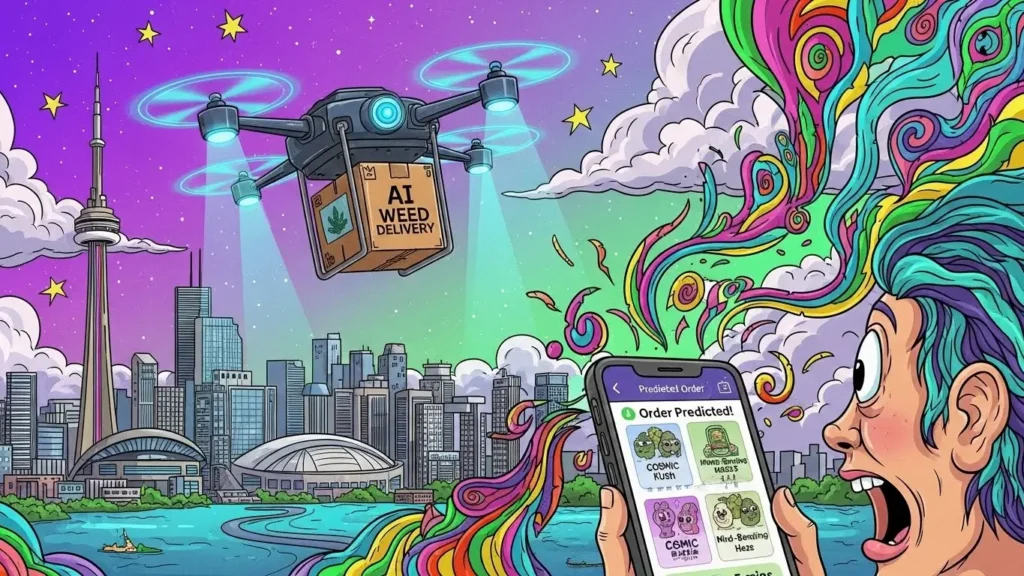
Toronto’s cannabis market is undergoing a remarkable technological transformation, with artificial intelligence emerging as the driving force behind smarter, faster, and more personalized weed delivery services. This evolution is not merely about convenience—it’s about creating intelligent cannabis experiences that anticipate consumer needs before they’re even expressed. As Canada’s most competitive cannabis market, Toronto has become a proving ground for AI-driven personalization that analyzes purchasing patterns, seasonal trends, and individual preferences to predict what consumers want, when they want it, and how they prefer it delivered.
This paradigm shift from reactive ordering to predictive fulfillment represents the next frontier in cannabis retail, offering benefits for consumers seeking personalized experiences and businesses aiming to optimize operations. The integration of sophisticated machine learning algorithms with Toronto’s robust delivery infrastructure is creating a seamless ecosystem where your cannabis arrives almost before you realize you need it.
Why AI-Powered Weed Delivery Is the Future
Toronto’s cannabis consumers are busier than ever, and convenience is king. The rise of AI-powered weed delivery means you no longer need to spend time searching for the perfect strain or waiting for your order to arrive. Leading platforms use AI systems to analyze your preferences, past orders, and even your lifestyle habits to predict what you’ll want next. This isn’t just about speed—it’s about creating a seamless, personalized experience that feels like having a personal budtender at your fingertips.
Have you ever wished your delivery service could anticipate your needs? With AI-powered recommendations, that’s now a reality. These systems learn from hundreds of thousands of transactions every day, suggesting products that match your taste and usage patterns. Whether you’re looking for relaxation, creativity, or pain relief, AI in weed delivery ensures you get exactly what you need, when you need it.
The Rise of Predictive Cannabis Commerce in Toronto
Imagine this scenario: It’s Friday evening in Toronto, and you’ve just finished a long work week. You’re considering placing an order for some cannabis to help you unwind, but before you even open your preferred delivery app, a notification appears: “Your usual Blue Dream is predicted to run low based on your consumption patterns. Would you like to schedule a delivery for tonight?” This isn’t science fiction—it’s the reality of AI-powered weed delivery that’s transforming how Torontonians access cannabis products.
Toronto’s cannabis delivery landscape has evolved dramatically since legalization, with consumers now expecting Amazon-level convenience paired with specialized product knowledge. What began as simple online ordering has rapidly advanced to sophisticated platforms using artificial intelligence to create hyper-personalized experiences. The city’s competitive market—featuring services like Highest Farmacy with its 1-2 hour delivery promise and Toronto Weed Delivery offering same-day service across the GTA—has created the perfect environment for technological innovation.
But what exactly is predictive ordering, and how does it work in practice? How are Toronto-based services implementing these systems while navigating Canada’s complex regulatory landscape? Perhaps most importantly, what does this mean for your privacy and personal data? This comprehensive guide will explore how AI revolutionizes cannabis delivery in Toronto, from the algorithms predicting your next purchase to the logistical systems ensuring it arrives at your door with unprecedented efficiency.
How AI Predicts Your Cannabis Needs: The Technology Behind the Magic
Understanding Machine Learning in Consumer Behavior Analysis
At the core of predictive cannabis delivery are sophisticated machine learning algorithms that analyze multiple data points to forecast your purchasing behavior. These systems don’t just look at what you’ve bought before—they examine patterns in your consumption, seasonal variations in your preferences, and even external factors that might influence your needs. For instance, AI-driven demand forecasting can identify that you tend to purchase more CBD-dominant products during stressful work periods or that you prefer sativa strains on weekends.
Toronto’s leading delivery services leverage these technologies to create what essentially functions as a personalized cannabis concierge. By analyzing your historical data—including purchase frequency, product types, preferred cannabinoid ratios, and even the time of day you typically order—these systems build a comprehensive profile of your consumption habits. The algorithms then cross-reference this data with broader market trends, such as the growing popularity of cannabis edibles among Toronto consumers or seasonal spikes in certain product categories.
Table: Data Points Analyzed by AI for Predictive Cannabis Ordering
| Personal Data Points | Market Data Points | Contextual Data Points |
|---|---|---|
| Purchase history and frequency | Seasonal product trends | Weather conditions in Toronto |
| Strain and product type preferences | New product releases | Local events and holidays |
| Cannabinoid ratio preferences | Competitor pricing | Time of day and week |
| Consumption rate patterns | Regulatory changes | Delivery address zones |
The Role of Contextual and Predictive Analytics
Beyond simple purchase history, truly advanced AI systems for weed delivery incorporate contextual factors that might influence your cannabis needs. These systems analyze external data streams, including Toronto’s weather patterns (since rainy days might increase indoor consumption), local events that might affect traffic and delivery times, and even broader lifestyle indicators. For example, if you typically order cannabis products on Friday evenings after 7 PM, the system might proactively suggest your preferred items earlier in the day to ensure they arrive when you want them.
The predictive aspect becomes particularly powerful when these systems identify consumption patterns that even you might not be consciously aware of. Perhaps you always purchase a particular indica strain two days before a known work deadline, or you increase your orders of vape cartridges during Toronto’s colder months. By recognizing these subtle patterns, the AI can anticipate your needs before you explicitly state them, creating what feels like an intuitive service experience.
Implementing AI in Toronto’s Cannabis Delivery Ecosystem
Platforms and Technologies Powering Predictive Delivery
Toronto’s weed delivery services are implementing various technological approaches to predictive ordering, with some focusing more on customer-facing AI features and others prioritizing backend optimization. Services like PotBot and Releaf have pioneered AI-driven recommendation engines that help match consumers with products based on desired effects and personal preferences. These systems form the foundation for more advanced predictive capabilities, evolving from “what might you like” to “when might you need it next.”
Leading Toronto delivery platforms are increasingly integrating with broader cannabis e-commerce ecosystems that leverage artificial intelligence at multiple touchpoints. This includes everything from inventory management systems that predict which products to stock based on neighborhood-level preferences to route optimization algorithms that calculate the most efficient delivery paths in real-time. The most sophisticated services combine these elements into a seamless experience where your predicted order triggers optimized inventory allocation and route planning before you even confirm the purchase.
Compliance and Regulatory Considerations in Ontario
Implementing AI in cannabis delivery comes with unique regulatory challenges in Ontario’s strictly controlled market. Every predictive suggestion must comply with provincial purchase limits, age verification requirements, and product tracking regulations. Toronto-based services navigate these constraints by building compliance checkpoints directly into their AI systems, ensuring that predicted orders automatically respect legal boundaries.
For instance, age verification algorithms integrated with Ontario’s regulatory framework can pre-screen predicted orders to ensure they meet provincial requirements before suggestions are even presented to consumers. Similarly, inventory tracking systems ensure that predicted purchases align with available licensed products, preventing situations where AI suggests items that cannot legally be supplied. These compliance integrations demonstrate how Toronto’s cannabis industry is pushing technological boundaries while operating within Canada’s strict regulatory environment.
Integration with Delivery Logistics and Operations
The true power of predictive ordering emerges when it connects with Toronto’s sophisticated weed delivery logistics. Services like Highest Farmacy, which promises 1-2 hour delivery across Toronto, leverage predictive data to pre-position popular products in neighborhood hubs, dramatically reducing delivery times for anticipated orders. This integration creates a virtuous cycle: the more accurate the predictions, the more efficiently products can be positioned within the delivery network, which in turn makes the service faster and more reliable.
Route optimization algorithms take this efficiency further by analyzing predicted order patterns to optimize delivery schedules before orders are even placed. If the system anticipates multiple orders in a particular Toronto neighborhood based on historical patterns and current contextual factors, it can proactively schedule delivery resources to serve that area efficiently. This forward-looking approach to logistics represents a significant evolution from the reactive model that has traditionally dominated delivery services.
Benefits and Challenges of Predictive Weed Delivery
Consumer Benefits: Personalization, Convenience, and Discovery
For Toronto cannabis consumers, predictive delivery services offer several compelling advantages. The most obvious is convenience—having your needs anticipated reduces the cognitive load of remembering to reorder and navigating complex product menus. This is particularly valuable for medical users who rely on consistent access to specific products for symptom management. Services like Releaf, designed with medical users in mind, demonstrate how predictive systems can support therapeutic routines by ensuring consistent supply of preferred products.
Beyond convenience, these systems facilitate personalized product discovery. By analyzing your preferences and comparing them with similar users, AI recommendation engines can introduce you to new strains or products you might enjoy but wouldn’t have discovered independently. This personalized curation addresses a common challenge in Toronto’s vast cannabis market, where consumers face overwhelming choice without always having the expertise to navigate it effectively.
Business Advantages: Inventory Optimization and Customer Retention
For Toronto cannabis retailers, AI-driven predictive systems offer significant operational advantages. Inventory management represents one of the most substantial costs and challenges in the cannabis industry, with perishable products and fluctuating demand creating constant optimization challenges. Predictive analytics help businesses like Toronto Weed Delivery maintain optimal stock levels by forecasting neighborhood-specific demand, reducing waste from expired products while ensuring popular items remain available.
Perhaps even more valuable is the customer retention impact of predictive services. When a delivery platform accurately anticipates your needs, it creates a switching cost that goes beyond simple habit. The service becomes integrated into your consumption routine in a way that alternatives can’t easily replicate. This “sticky” customer relationship is particularly valuable in Toronto’s competitive market, where multiple services vie for consumer loyalty with similar product offerings and delivery promises.
Privacy Considerations and Ethical Implementation
The extensive data collection required for predictive cannabis ordering naturally raises important privacy questions. Toronto consumers rightly wonder how their consumption data is being used, stored, and protected. Reputable services address these concerns through transparent data policies, secure encryption practices, and clear consumer controls over what data is collected and how it’s utilized.
The ethical implementation of these systems also requires careful attention to potential biases in AI algorithms. If predictive systems are trained on limited or non-representative data, they might reinforce existing market inequalities or fail to serve diverse consumer needs. Leading Toronto services combat this through diverse training data, regular algorithm audits, and human oversight of AI recommendations to ensure they serve rather than limit consumer choice.
How AI Is Revolutionizing Weed Delivery in Toronto
AI-Powered Route Optimization
One of the biggest challenges for weed delivery in Toronto is navigating the city’s busy streets. AI-powered route optimization algorithms analyze real-time traffic, weather, and delivery vehicle availability to ensure your order arrives as quickly as possible. This means fewer delays, lower costs, and a better experience for you. Leading services like SillySmoke and GreenHouseGTA use these technologies to guarantee same-day delivery, even during peak hours.
Personalized Recommendations and Predictive Ordering
AI doesn’t just optimize logistics—it also enhances your shopping experience. By analyzing your purchase history, consumption patterns, and even your calendar, AI-powered weed delivery platforms can suggest products before you even think about them. Some companies are even developing subscription models where AI curates your monthly selection based on ongoing feedback and changing preferences. This level of personalization transforms cannabis delivery from a transactional experience to an ongoing wellness partnership.
AI Chatbots and Customer Service
Have questions about a product, dosage, or order status? AI chatbots are available 24/7 to provide instant answers. These virtual assistants learn from each interaction, continuously improving their ability to help you. Whether you need advice on strains, help with your order, or just want to know when your delivery will arrive, AI chatbots make the entire process smoother and more intuitive.
The Benefits of AI-Powered Weed Delivery
- Faster, more reliable deliveries: AI-powered route optimization ensures your order arrives promptly, even when unexpected delays occur.
- Personalized recommendations: AI analyzes your preferences and usage patterns to suggest products that match your needs.
- 24/7 customer support: AI chatbots provide instant answers to common questions, making the entire process smoother and more intuitive.
- Reduced operational costs: AI-powered systems reduce stockouts and waste, which translates into better prices for you.
Real-World Examples and Case Studies
Several Toronto-based cannabis delivery services have already embraced AI to improve their operations and customer experience. For example, SillySmoke uses AI-powered route optimization to guarantee same-day delivery, while GreenHouseGTA offers personalized recommendations based on your purchase history and preferences. These platforms have set the standard for weed delivery in Toronto, demonstrating the power of AI to transform the industry.
How to Choose the Best AI-Powered Weed Delivery Service
When selecting a weed delivery in Toronto service, look for platforms that offer:
- AI-powered recommendations and predictive ordering
- AI-powered route optimization for faster, more reliable deliveries
- AI chatbots for 24/7 customer support
- Positive reviews and a strong track record of customer satisfaction
The Future of AI in Toronto’s Cannabis Delivery Market
Emerging Technologies: Voice Commerce and Virtual Budtenders
Looking beyond current implementations, Toronto’s cannabis delivery market is poised to integrate even more advanced AI technologies in the coming years. Voice-activated shopping represents one particularly promising frontier, with platforms experimenting with systems that would allow Toronto consumers to reorder preferred products through simple voice commands to smart home devices. While regulatory and privacy challenges remain, the convenience potential is substantial, especially for medical users or those with mobility limitations.
Similarly, virtual budtenders—AI-powered chatbots capable of providing personalized product recommendations and usage guidance—are becoming increasingly sophisticated. These systems could eventually serve as 24/7 cannabis consultants for Toronto consumers, answering questions about products, effects, and consumption methods while seamlessly integrating with delivery platforms to fulfill suggested orders. This evolution would address a significant service gap in Toronto’s market, where access to knowledgeable budtenders has traditionally been limited to physical dispensary hours.
Integration with Broader Smart City Infrastructure
As Toronto continues to develop as a smart city, cannabis delivery services have opportunities to integrate with broader municipal systems and infrastructure. AI-optimized delivery routes could interface with the city’s traffic management systems to avoid congestion in real-time. Delivery networks might leverage Toronto’s growing electric vehicle infrastructure to reduce their environmental impact while maintaining rapid service times across the GTA.
This integration extends to consumer ecosystems as well, with potential connections to smart home systems, calendar applications, and even wellness platforms. Imagine a system that knows when you have a free evening based on your calendar, suggests cannabis products appropriate for that type of downtime, and schedules delivery to arrive just as you’re settling in. This level of contextual integration represents the ultimate expression of predictive cannabis commerce.
Sustainability and Social Impact Considerations
The evolution of AI-powered delivery also presents opportunities to address sustainability challenges in Toronto’s cannabis industry. Optimized routing algorithms already reduce fuel consumption and emissions by calculating the most efficient delivery paths. Looking forward, predictive systems could enable more sustainable inventory management, reducing product waste through more accurate demand forecasting.
Beyond environmental considerations, these technologies might also enhance social equity in Toronto’s cannabis market. By analyzing consumption patterns across diverse neighborhoods, predictive systems could help identify underserved areas or demographic groups, informing more equitable service expansion. Additionally, AI-driven educational content could make cannabis knowledge more accessible to novice consumers or those with limited previous exposure to legal markets.
How to Engage with Predictive Delivery Services in Toronto
For Consumers: Getting Started with AI-Enhanced Ordering
If you’re in Toronto and interested in experiencing predictive weed delivery, several entry points are available. Begin by selecting a service with established AI capabilities, such as those offering personalized recommendations or consumption tracking features. As you use these services, pay attention to how your interactions improve over time—the best systems learn from each order to refine their understanding of your preferences.
To maximize the benefits of predictive systems, maintain consistent ordering patterns through a preferred service when possible. This allows the AI algorithms to build a more accurate profile of your consumption habits, leading to better predictions and recommendations. Additionally, engage with the customization features many services offer, providing explicit feedback on recommendations and adjusting your stated preferences as they evolve.
For Businesses: Implementing Predictive Capabilities
Toronto cannabis retailers looking to implement predictive delivery features should approach the transition strategically. Begin with foundational data collection systems that capture comprehensive information about customer preferences and purchasing patterns. This data forms the essential training material for any subsequent AI implementation. Partner with technology providers specializing in cannabis retail solutions, as they’ll understand the unique regulatory and operational constraints of the Ontario market.
Implement predictive features incrementally, starting with relatively straightforward applications like personalized recommendations before advancing to more complex predictive ordering systems. Throughout implementation, maintain transparency with customers about how their data is being used and what benefits they can expect. This transparency builds trust while differentiating your service in Toronto’s competitive delivery landscape.
Conclusion: The Intelligent Future of Cannabis Access in Toronto
Toronto’s journey toward AI-powered weed delivery represents more than just technological novelty—it signifies a fundamental shift in how consumers access and experience cannabis. The transition from reactive ordering to predictive fulfillment creates a more intuitive, efficient, and personalized relationship between consumers and providers. As these systems continue to evolve, they promise to make cannabis consumption more convenient while supporting informed decision-making through personalized guidance.
The successful implementation of these technologies in Toronto—a market characterized by both intense competition and strict regulation—demonstrates their viability and value. Services that embrace artificial intelligence while maintaining ethical data practices and transparent customer relationships are poised to lead Toronto’s cannabis delivery market into its next phase of development. For consumers, this evolution means increasingly seamless access to products that match their preferences and lifestyles. For the industry, it represents an opportunity to build more sustainable, efficient, and customer-centric business models.
As you navigate Toronto’s evolving cannabis landscape, consider how predictive technologies might enhance your consumption experience while remaining mindful of the privacy and ethical considerations they raise. The future of cannabis delivery in Toronto is not just fast—it’s intelligent, anticipatory, and increasingly aligned with your individual needs and preferences.
Frequently Asked Questions About AI-Powered Weed Delivery in Toronto
What is AI-powered weed delivery?
AI-powered weed delivery uses artificial intelligence to optimize logistics, personalize recommendations, and provide 24/7 customer support, making the entire process faster, smarter, and more convenient.
How does AI predict my order?
AI analyzes your purchase history, consumption patterns, and lifestyle habits to suggest products before you even think about them. Some platforms even offer subscription models where AI curates your monthly selection.
Are AI-powered weed delivery services reliable?
Yes, leading platforms like SillySmoke and GreenHouseGTA use AI-powered route optimization to guarantee same-day delivery, even during peak hours. They also offer personalized recommendations and 24/7 customer support to ensure a seamless experience.
Can AI chatbots help with my order?
Absolutely! AI chatbots are available 24/7 to provide instant answers to common questions about products, dosage, effects, or order status. They learn from each interaction, continuously improving their ability to help you.
How does AI predict what cannabis products I might want?
AI prediction systems analyze multiple data points including your purchase history, consumption patterns, browsing behavior on delivery platforms, preferences of similar users, and even contextual factors like Toronto’s weather or local events. Machine learning algorithms identify patterns in this data to forecast what you might want before you explicitly order it. The more you use a service, the more accurate these predictions typically become as the system learns your individual preferences and routines.
Is my consumption data safe with predictive delivery services?
Reputable Toronto delivery services implement stringent data security measures including encryption, secure storage protocols, and transparent privacy policies. Under Ontario’s privacy legislation and federal regulations, cannabis retailers have specific obligations regarding consumer data protection. Before using any predictive service, review their privacy policy to understand what data is collected, how it’s used, and what controls you have over your information. Most services allow you to opt out of certain data collection practices while still using their basic delivery functions.
Can AI-powered delivery really get my order to me faster?
Yes, in multiple ways. Predictive systems can anticipate demand, allowing services to pre-position popular products in neighborhood hubs closer to where they’ll be needed. Additionally, AI-optimized routing calculates the most efficient delivery paths based on real-time traffic conditions in Toronto. Some services like Highest Farmacy already achieve 1-2 hour delivery windows across much of Toronto by leveraging these technologies. When systems accurately predict orders before they’re placed, they can initiate logistics planning earlier, further reducing the time between order and delivery.
How do predictive systems handle new cannabis users with no purchase history?
For new users, AI systems typically rely on broader market trends, stated preferences during account setup, and the behavior of similar user segments to make initial recommendations. Many Toronto services include onboarding questions about your experience level, desired effects, preferred consumption methods, and any medical needs to create an initial profile. As you make purchases, the system refines its understanding of your preferences, making increasingly accurate predictions over time. Some platforms also offer explicit preference adjustments, allowing you to guide the system toward products aligned with your interests.
Will AI eventually replace human budtenders in Toronto’s cannabis industry?
Rather than replacement, the more likely scenario is augmentation. AI handles scalable tasks like pattern recognition, inventory optimization, and basic recommendations, while human experts focus on complex consultations, nuanced product education, and handling exceptional cases. Many Toronto services are developing hybrid models where AI systems provide initial recommendations that human budtenders can then refine based on more detailed conversations. This approach combines the scalability of artificial intelligence with the nuanced understanding and empathy of human expertise.
Are there additional costs associated with AI-powered delivery services?
Most Toronto delivery services don’t charge explicit premiums for AI features, incorporating them into their standard service model. The business benefits—including reduced waste, increased customer retention, and optimized operations—typically justify the technology investment without requiring direct pass-through to consumers. Some services might offer tiered membership programs with enhanced predictive features, but basic recommendation functionality is generally included in their standard offering. Always review pricing details before ordering, as delivery minimums and fees vary between Toronto services regardless of their technological sophistication.