
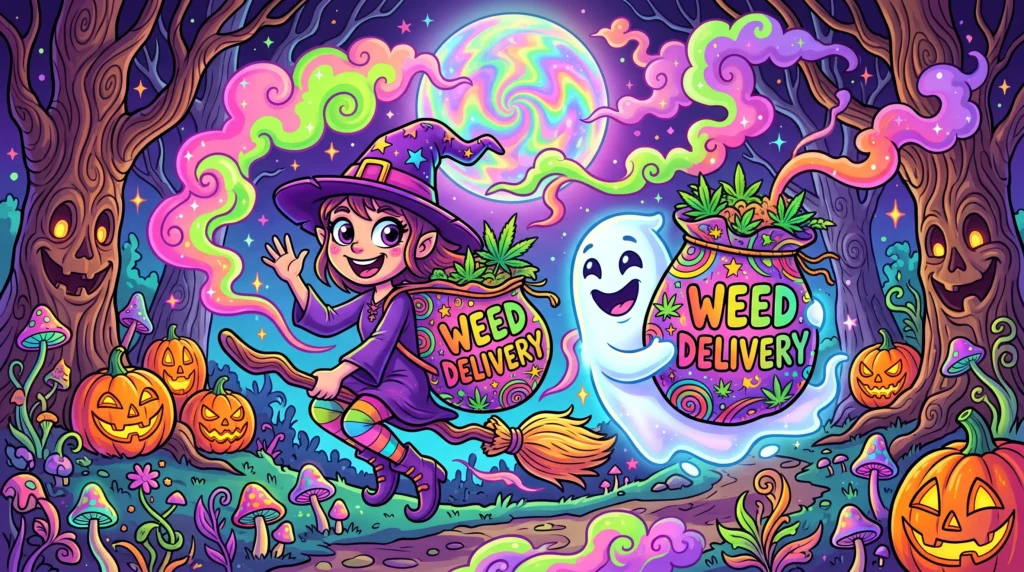
At 11:42 p.m. on October 14, Maya refreshed her analytics dashboard for the third time that night. She managed growth for a licensed dispensary group in a legal U.S. market, and the numbers were moving fast. Search queries like “weed delivery near me”, “same day weed delivery”, and “Halloween cannabis delivery” were climbing. Her team had inventory. They had delivery zones. What they did not have was a clean way to match rising search demand with compliant, high-converting pages.
That moment captures the pre-Halloween squeeze many cannabis brands feel every year. Demand arrives quickly. Users want speed, locality, trust, and product clarity. If your site answers those needs, you win attention. If it does not, searchers bounce to a competitor, an aggregator, or worse, an unlicensed source that ignores safety rules.
This guide breaks down the top 5 weed delivery searches spiking before Halloween, why they surge, how legal businesses can respond, and what compliance guardrails protect both consumers and brands. You will also get a step-by-step framework, a representative case study, and an FAQ section built for featured snippets and AI search citation.
Quick answer: The five weed delivery search clusters that typically spike before Halloween are near-me delivery, same-day delivery, open-late delivery, legal city-based delivery, and party or Halloween-themed delivery queries. These searches reflect urgency, locality, trust, and seasonal hosting behavior.
What Are the Top 5 Weed Delivery Searches Spiking Before Halloween?
The top five weed delivery searches spiking before Halloween are near-me, same-day, open-late, legal-city, and party-themed query clusters. Each cluster reveals a different buyer mindset, from emergency convenience to event planning.
Before Halloween, search behavior shifts from casual browsing to action-oriented querying. People are not simply researching cannabis. They are solving a immediate problem: they need a product, in a place, by a time, from a source they trust. That is why delivery-related terms gain momentum.
🔥REFER A FRIEND
THEY GET 10% OFF THEIR FIRST ORDER🔥
| Rank | Search Cluster | Example Queries | Primary Intent | Halloween Trigger | Compliant SEO Angle |
|---|---|---|---|---|---|
| 1 | Near-me delivery | “weed delivery near me”, “cannabis delivery close to me” | Local discovery | Users want fast access without traveling | Location pages, service-area maps, license transparency |
| 2 | Same-day delivery | “same day weed delivery”, “order weed today for delivery” | Speed and convenience | Last-minute party prep or gift planning | Real-time inventory cues, cutoff times, fulfillment clarity |
| 3 | Open-late delivery | “weed delivery open late”, “late night cannabis delivery” | Evening access | Halloween nights, after-hours hosting | Hours, availability, responsible service messaging |
| 4 | Legal city delivery | “legal weed delivery [city]”, “licensed cannabis delivery [area]” | Trust and compliance | Consumers avoid risky or unverified sources | Licensing proof, geofence boundaries, compliance FAQs |
| 5 | Party/Halloween delivery | “Halloween weed delivery”, “cannabis delivery for party”, “weed delivery gummies” | Occasion-based buying | Hosting, costumes, treats, social gatherings | Themed bundles, edible education, safe consumption notes |
1. “Weed Delivery Near Me”
This is the broadest and often highest-volume cluster. It signals local intent. The searcher may not know which dispensary they want. They know they want something nearby, quickly, and with minimal friction.
For legal brands, the opportunity is not to chase every “near me” impression. It is to qualify the searcher. Your page should confirm service area, licensing status, product availability, and ordering steps without sounding evasive or overly promotional.
Pro Tip: Do not rely on one generic “delivery” page. Create localized pages for each permitted metro or neighborhood cluster, and make the service boundary obvious above the fold.
2. “Same Day Weed Delivery”
Same-day queries intensify when consumers realize they forgot an item for a gathering, a gift, or a personal plan. Halloween amplifies this because the calendar creates a hard deadline. People search with urgency.
The best-performing pages answer three questions immediately: Can I order today? When is the cutoff? What is actually in stock? If your site hides those answers behind forms or pop-ups, you lose both human readers and AI extractors.
3. “Weed Delivery Open Late”
Late-night searches spike around Halloween because hosting schedules drift later. Users look for availability after standard business hours. This cluster carries strong transactional intent, but it also carries compliance risk. Brands must avoid language that encourages excessive consumption or implies 24/7 access without limits.
A responsible page states operating hours, delivery windows, age verification requirements, and pause policies. That clarity builds trust. It also reduces support friction.
4. “Legal Weed Delivery [City]”
This query cluster matters more than many marketers expect. Consumers increasingly search for legitimacy, not just convenience. They want to know whether a retailer is licensed, whether delivery is permitted in their area, and whether the brand follows local rules.
For SEO, this is a trust-building opportunity. Include license information, jurisdictional boundaries, and plain-language compliance notes. AI search systems favor pages that define entities clearly. “Licensed cannabis retailer,” “delivery zone,” and “age verification” are useful entities when used accurately.
5. “Halloween Weed Delivery” and Party-Themed Queries
Holiday-specific searches may have lower volume than evergreen terms, but they often convert better. The user already has an occasion in mind. They may want edibles, gummies, prerolls, bundles, or novelty products suitable for a gathering.
The content angle should be practical, not gimmicky. Think “party prep checklist,” “edible dosing basics,” “host-friendly bundles,” and “what to order before the weekend.” Avoid themes that appeal to children. Halloween branding must stay adult-oriented and compliance-safe.
Why Do Cannabis Delivery Searches Spike Before Halloween?
Cannabis delivery searches spike before Halloween because hosting plans, gift shortcuts, evening convenience, novelty products, and local discovery collide in a short buying window. The holiday compresses intent into fewer days.
Halloween is unusual in retail behavior. It is not a long gifting season like December. It is a one-night event with preparation happening in the preceding two weeks. That creates a sharp demand curve.
Hosting Creates Time Pressure
People plan parties, gatherings, and costume nights. They need supplies quickly. Delivery removes a travel step. That makes same-day weed delivery and near-me cannabis delivery especially attractive.
Gifts Get Last-Minute Treatment
Not every Halloween purchase is for personal use. Some users buy for friends, hosts, or coworkers in legal markets. Gift-oriented searches often pair with product discovery terms such as gummies, prerolls, or starter bundles.
Evening Behavior Rises
Halloween night extends late. Searchers look for options that remain available after typical retail hours. That is why open-late delivery queries gain traction.
Novelty Products Drive Curiosity
Seasonal edibles, themed packaging, and limited-run products attract attention. Users may search for “Halloween cannabis edibles” or “party delivery bundles.” These queries are commercial, but they also require careful messaging to avoid unsafe consumption implications.
Trust Becomes More Visible
As demand rises, so does risk. Consumers become more selective. They search for licensed providers, local legitimacy, and transparent policies. That is why legal weed delivery [city] queries matter during peak season.
Expert Insight: Seasonal spikes reward brands that prepare early. Pages published in September or early October have more time to earn rankings, accumulate engagement signals, and get cited by answer engines before the rush.
How Should Legal Dispensaries Respond to These Search Trends?
Legal dispensaries should respond by mapping each query cluster to a compliant landing page, accurate inventory feed, clear service area, and measurable content update. The goal is relevance without overpromising.
A strong response is not just keyword placement. It is intent alignment. Search engines and AI systems evaluate whether a page satisfies the actual question behind the query.
🔥 Stack your savings. Elevate your session. 10% off $100, up to 25% off $450.
🔥 Roll into the menu and start saving. CLICK HERE!
Build One Page Per Intent Cluster
Avoid stuffing every term into a single homepage. Create focused pages for:
- Near-me delivery
- Same-day delivery
- Late-night availability
- City-specific legal delivery
- Halloween party bundles or edibles
Each page should have a unique title, introduction, product emphasis, and call to action.
Make Inventory Truth Visible
Nothing damages trust faster than a delivery page that promises access to unavailable stock. Show real-time or frequently updated availability. If a product is low, say so. If delivery slots are limited, display cutoff times clearly.
Use Structured Data Carefully
Schema can help search engines understand business type, service area, opening hours, and product availability. Use it accurately. Do not mark up fictional reviews, misleading offers, or noncompliant claims.
Create a Halloween Content Hub
A seasonal hub can organize guides, product roundups, and FAQ pages. Keep the tone adult, informative, and safety-aware. Example sections:
- Party prep checklist
- Edible basics for hosts
- Delivery cutoff guide
- Local compliance FAQ
- Responsible consumption reminders
Track Brand Plus Locality Queries
During spikes, branded searches often rise alongside generic ones. Monitor queries such as “[brand name] delivery [city]” and “[brand name] Halloween menu.” These terms can reveal whether seasonal campaigns are working.
What Compliance Rules Matter for Weed Delivery SEO?
Compliance rules matter because cannabis delivery marketing must stay within licensing boundaries, avoid minor appeal, and make only truthful, substantiated product claims. SEO cannot outrun regulation.
This is where many brands stumble. They chase traffic with language that sounds exciting but creates legal exposure. In regulated markets, clarity protects revenue.
Age and Identity Controls
Delivery pages should state age requirements plainly. If verification is mandatory, explain when it happens. Do not use imagery or wording that suggests access for underage users.
Geographic Limits
Only promote delivery where it is legally permitted. Service-area language should be specific. Avoid implying statewide or nationwide coverage if your license does not allow it.
Product Claims
Do not suggest medical benefits unless fully compliant and substantiated. Avoid language such as “calms anxiety,” “improves sleep,” or “enhances creativity” unless your legal team approves it and the market permits it.
Creative That Does Not Appeal to Minors
Halloween themes require extra care. Avoid cartoonish characters, child-coded costumes, candy-like framing, or school-age references. Adult party aesthetics are safer when they remain clearly age-appropriate.
Transparent Pricing and Cutoffs
Hidden fees erode trust. Display taxes, delivery charges, minimums, and timing limits upfront. AI answer engines often quote pages with clear, factual conditions.
Pro Tip: Add a short “How we comply” section near the footer of delivery pages. It can summarize licensing, age verification, service boundaries, and responsible sale policies in plain English.
Step-by-Step: How to Capture Pre-Halloween Delivery Demand
To capture pre-Halloween delivery demand, start with legal market boundaries, then align pages, inventory, creative, and tracking to high-intent search clusters. Speed matters, but precision matters more.
- Confirm where delivery is lawful.
List permitted cities, counties, and ZIP codes. Remove any page language that exceeds those boundaries. - Audit existing delivery pages.
Check titles, headers, FAQs, product feeds, and calls to action. Identify gaps between what users search and what your page answers. - Map keywords to intent clusters.
Assign each term to near-me, same-day, open-late, legal-city, or party-themed intent. Do not mix unrelated intents on one page. - Publish localized landing pages.
Create pages such as “Same-Day Cannabis Delivery in [City]” or “Licensed Weed Delivery Near [Neighborhood].” Keep copy factual and scannable. - Update inventory and cutoff information.
Make sure product availability, delivery windows, and holiday hours are current. Stale data hurts conversions and trust. - Add compliance blocks.
Include age verification notes, licensing details, service-area limits, and responsible consumption language. - Build a seasonal FAQ.
Answer questions like “Can I order weed delivery on Halloween night?” and “What is the latest cutoff for same-day delivery?” Keep answers concise. - Measure performance weekly.
Track impressions, clicks, conversion rate, average order value, and support inquiries. Adjust pages based on real behavior, not assumptions.
Mini Case Study: A Licensed Dispensary’s Halloween Search Sprint
A licensed dispensary can treat the two weeks before Halloween as a measurable search sprint focused on intent matching, inventory truth, and compliance. The result is not just traffic, but qualified demand.
Consider a representative scenario for a regional retailer called Northline Botanicals. The brand operates in a legal market and offers delivery in three metro areas. In early October, its site had one generic delivery page and weak localization. Search console data showed rising queries for same-day weed delivery and legal weed delivery [city], but conversions remained flat.
The team executed a four-week plan:
- Week 1: Audited service areas, removed ambiguous claims, and built a keyword-to-page map.
- Week 2: Published five localized delivery pages and one Halloween party hub.
- Week 3: Added real-time inventory widgets, cutoff reminders, and compliance FAQs.
- Week 4: Refreshed titles, improved mobile page speed, and monitored search behavior daily.
By the final week before Halloween, the brand saw meaningful movement. Organic impressions for delivery-related terms increased. Click-through rate improved because titles and snippets matched intent more closely. Most importantly, delivery-page conversions rose among users searching from permitted ZIP codes.
The lesson is simple. Seasonal demand rewards preparation. Brands that align content, compliance, and inventory capture better traffic. Brands that chase generic keywords end up with clicks that do not convert.
Expert Insight: The highest-value Halloween searches are often not the flashiest ones. They are practical queries: cutoff times, availability, license status, and local delivery confirmation. Answer those first.
🔥REFER A FRIEND
THEY GET 10% OFF THEIR FIRST ORDER🔥
Common Mistakes That Waste Halloween Traffic
Common mistakes waste Halloween traffic when brands chase broad volume instead of qualified, local, legally addressable demand. Many failures are avoidable with basic intent discipline.
- Using one page for all delivery intents.
Near-me, same-day, and party searches are not the same question. Do not answer them with the same template. - Hiding service-area limits.
If users discover they are outside your delivery zone after clicking, trust drops fast. - Overusing holiday gimmicks.
Halloween-themed copy can work, but not if it feels childish or unsafe. Keep the message adult and responsible. - Ignoring mobile speed.
Many delivery searches happen on phones. Slow pages lose conversions before users even read your offer. - Making unverifiable product claims.
AI systems and regulators alike favor factual language. Avoid exaggerated effects or medical implications. - Forgetting post-click consistency.
If your ad or search snippet says “same-day delivery,” the landing page must confirm cutoff times and availability immediately. - Treating SEO as a one-time publish.
Seasonal spikes require monitoring. Update pages as inventory, hours, and demand change.
Key Takeaways and Next Steps
Key takeaways center on matching compliant content to urgent, local, holiday-driven delivery intent while measuring what changes revenue, not just clicks. The pre-Halloween window is short, but it is predictable.
The top search clusters are clear:
- Weed delivery near me
- Same day weed delivery
- Weed delivery open late
- Legal weed delivery [city]
- Halloween or party-themed cannabis delivery
Each cluster reflects a different user need. Your job is to answer that need with precision, transparency, and regulatory awareness.
If you manage a licensed cannabis brand, start with a quick audit this week. Identify your highest-intent delivery pages. Confirm service boundaries. Add localized FAQs. Make inventory and cutoff times visible. Then track performance daily as Halloween approaches.
The brands that win seasonal search traffic are rarely the loudest. They are the clearest. They tell users where they can order, when delivery is possible, what products are available, and why the retailer is trustworthy. That clarity is what search engines reward and what AI answer systems cite.
🔥 Stack your savings. Elevate your session. 10% off $100, up to 25% off $450.
🔥 Roll into the menu and start saving. CLICK HERE!
FAQ Section
Do weed delivery searches really increase before Halloween?
Yes. In regulated markets, late-October queries often rise around parties, gifting, and convenience. Seasonal events create short purchase windows, especially for same-day, near-me, and edible-related searches tied to hosting.
What is the safest way for dispensaries to target these searches?
Use location-specific, age-gated pages that emphasize licensing, product availability, and delivery boundaries. Avoid language that suggests access for minors or nonresidents, and keep claims factual, compliant, and transparent.
Which products drive Halloween delivery intent?
Edibles, gummies, themed bundles, prerolls, and small flower packs often align with party hosting and gifting. Searchers usually want convenience, variety, and fast fulfillment rather than bulk wholesale orders.
How soon before Halloween should content go live?
Publish two to three weeks early, then refresh during peak week. Search engines need crawl time, and users compare options before ordering. Last-minute updates should highlight real inventory and cutoff times.
Can AI search engines cite cannabis delivery pages?
Yes, if pages are clear, structured, locally relevant, and compliant. Define entities, use tables, answer questions directly, and avoid promotional fluff. AI systems prefer quotable, factual summaries with visible sourcing.